What Happens During an After-Hours House Lockout Call
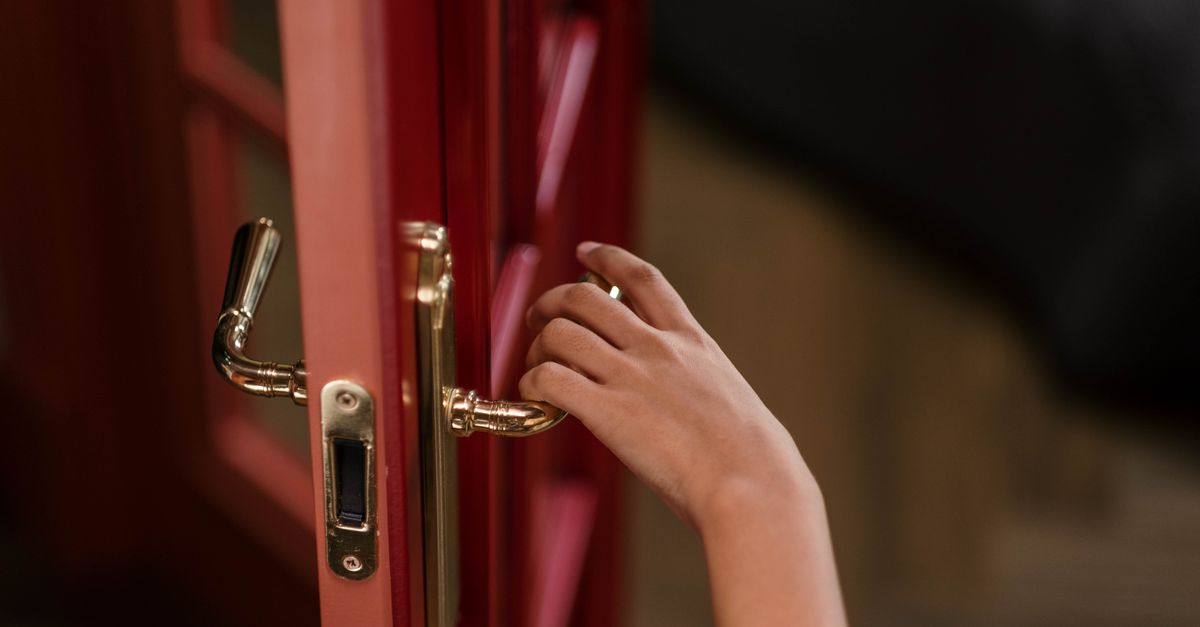
When you call us in a lockout situation, the first thing we do is confirm your address and verify that you are the resident or authorized occupant — this is a standard, non-negotiable step we take on every job, not just a formality. A technician will ask for a photo ID upon arrival and may cross-reference your name against a utility bill, lease, or mail visible at the property. This protects you as much as it protects us. Once identity is confirmed, we assess the lock before touching anything. Many homeowners do not realize that the type of lock on their door — a basic door knob lock, a single-cylinder deadbolt, a double-cylinder deadbolt, or a full mortise lock assembly — changes the tools and technique required. Mortise locks, which are recessed into the door edge and common on older Suffolk homes built in the early to mid-twentieth century, require a very different approach than a modern Schlage or Kwikset knob set.
From that assessment we give you an exact, confirmed price before a single tool comes out of the bag. There are no hidden fees added after the fact. The final quote accounts for factors like the lock type and its condition, the time of day, the distance our technician has traveled, and whether any hardware needs to be replaced during the visit. Once you approve the price, we work as carefully as the lock allows — prioritizing non-destructive entry so your door hardware stays intact. If a lock is too damaged or worn to open cleanly, we tell you that upfront rather than forcing it and billing for the result.